Panasonic Commits Over $1 Billion to Sila's Silicon Anode Material
Panasonic signed a supply deal potentially worth over $1 billion for Sila's Titan Silicon anode material, anchoring a Moses Lake expansion to tens of GWh by 2028.
- By
- Rebecca Stone
- Filed
- Channel
- Hardware & Components
- Read
- 3 min read
Panasonic Energy Corporation of North America has signed a long-term supply agreement potentially worth more than $1 billion for Titan Silicon, the silicon anode material made by battery startup Sila. GeekWire reported the deal on Wednesday, Nov. 18; The Information ran it under the blunter headline "Panasonic to Pay $1 Billion to Sila Nano." Panasonic, a battery supplier to Tesla, will use the material in its US-made battery cells.
The two companies first signed an agreement for Titan Silicon in December 2023, without disclosing terms. The new deal puts a dollar value on that supply relationship. It also comes with a plan to scale Sila's plant in Moses Lake, Washington, the production base at the center of the arrangement.
How big is the Moses Lake expansion?
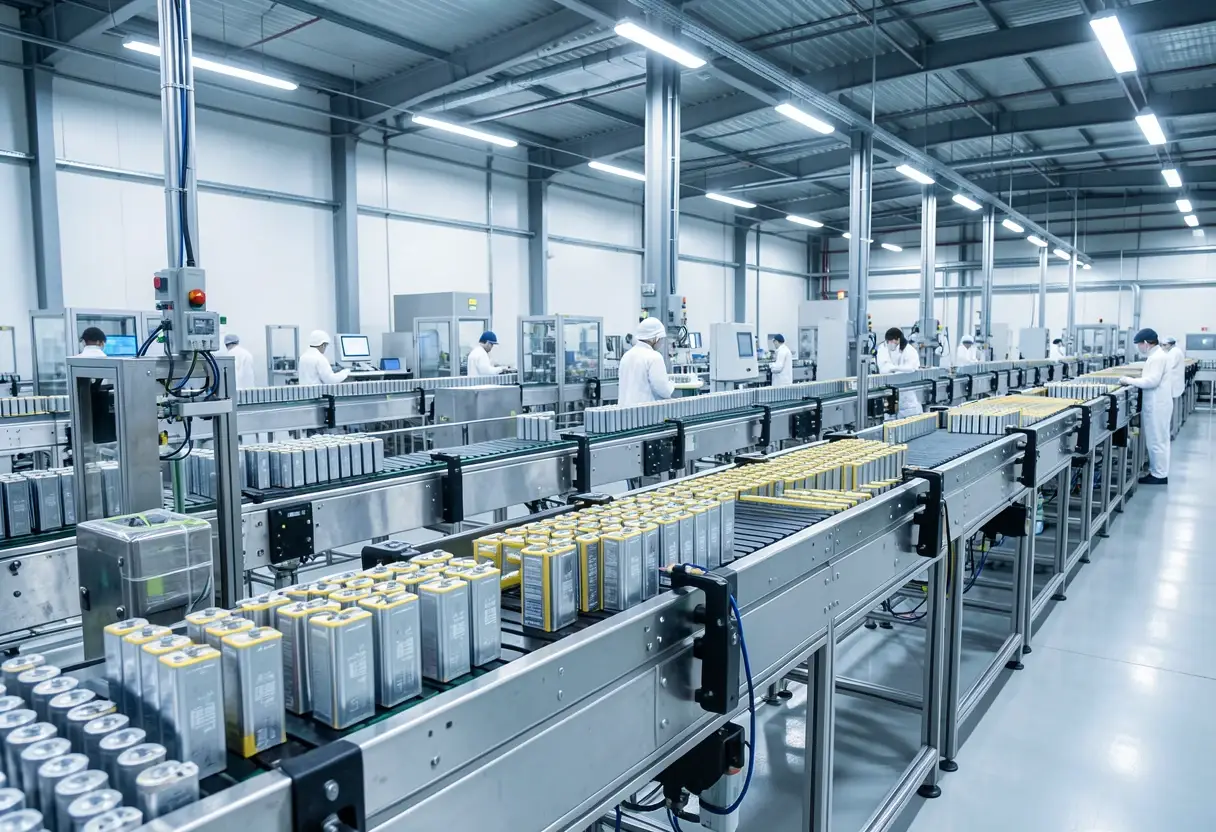
Sila began operating the Moses Lake plant last year and keeps about 100 full-time employees there. Its initial capacity is designed to supply roughly 2 gigawatt-hours of batteries — enough for about 20,000 to 50,000 electric vehicles, depending on how the material is used, according to GeekWire.
The expansion will lift that to tens of gigawatt-hours, co-founder and CEO Gene Berdichevsky told GeekWire. It should support roughly 500 additional manufacturing and construction jobs over the coming years. Sila aims to start manufacturing at the expanded facility in 2028 and raise output over time. The company did not disclose a cost for the expansion.
"This is a really important blueprint for reindustrializing the U.S.," Berdichevsky said. "We have to take new technology and leapfrog China, not just copy what they've done over the last 20 years."
What does Titan Silicon actually do?
Titan Silicon is a silicon-carbon composite that can replace some or all of the graphite in a lithium-ion battery's anode. Berdichevsky claims it lets a battery store 20% to 40% more energy in the same space and cuts recharging time roughly in half compared with a conventional graphite anode. Those figures are company claims, not independently verified performance data.
The material is the technical hook behind the commercial deal. Panasonic, which supplies cells to Tesla's US operations, would be folding a domestic anode material into its American manufacturing footprint — a combination that fits squarely inside Washington's push to build a non-Chinese battery supply chain.
Who is funding Sila?
Sila's capital base spans federal and private money:
- A conditional loan commitment of up to $1.4 billion from the Pentagon's Office of Strategic Capital, received in August; the loan must clear financial, legal and technical conditions before it is finalized.
- A $100 million federal grant that helped build the Washington plant.
- $1.6 billion raised from private investors, including a $300 million round announced in July.
PitchBook values the 15-year-old company at $2.27 billion, according to GeekWire.
What about the competition?
Sila is not alone in Moses Lake. Seattle-area rival Group14, which also makes a silicon-carbon anode material, has partly built its own site in the town but now targets mid-2027 for the first of two production units. That puts two US silicon-anode producers in the same small Washington community, racing to scale a material both claim can displace graphite.
With Panasonic's commitment now priced above $1 billion and Sila's expanded output slated to start in 2028, the competitive question shifts from whether silicon anodes can attract customers to whether either company can hit its capacity targets on schedule.
Source: mlq.ai
More from Rebecca Stone
Show full bio
Correspondent covering technology and product news in Semiconductors, chip manufacturing, hardware, AI compute at Chip Dispatch.
1,104 articles
Related articles
san-jose-chip-startup-raises-21m-for-ai-data-center-power-d5645e0a
San Jose Chip Startup Raises $21M for AI Data Center Power
tower-semiconductor-commits-3-billion-to-japan-with-state-backing-3d4e1d02
Tower Semiconductor Commits $3 Billion to Japan With State Backing
enovix-guides-revenue-to-85-million-exits-smartphone-race
Enovix Guides 2027 Revenue to $85 Million, Exits Smartphone Race
amprius-lifts-outlook-to-145-million-after-83-sales-jump
Amprius Lifts 2026 Outlook to $145 Million After 83% Sales Jump