Consumer Tech · 3 min read
Korea Moves to Fine Apple Over iPhone 16 AI Ads
Korea's Fair Trade Commission examiners recommended a fine of up to 67 billion won, saying Apple advertised four Apple Intelligence features that Korean iPhone 16 buyers never received on time.
Key takeaways
- KFTC examiners recommended a fine, corrective order and disclosure order against Apple on Nov. 24, 2025.
- Four of nine advertised Apple Intelligence features, including Genmoji and two Siri upgrades, were not delivered as promised.
- Related iPhone 16 sales in Korea were estimated at 3.35 trillion won; reported maximum fines range from 53.6 to 67 billion won.
- It would be the KFTC's first fine on Apple; Samsung received a 20.1 billion won provisional surcharge last month in a parallel ad case.
- Apple settled a related US class action for $250 million in May 2026 without admitting wrongdoing.
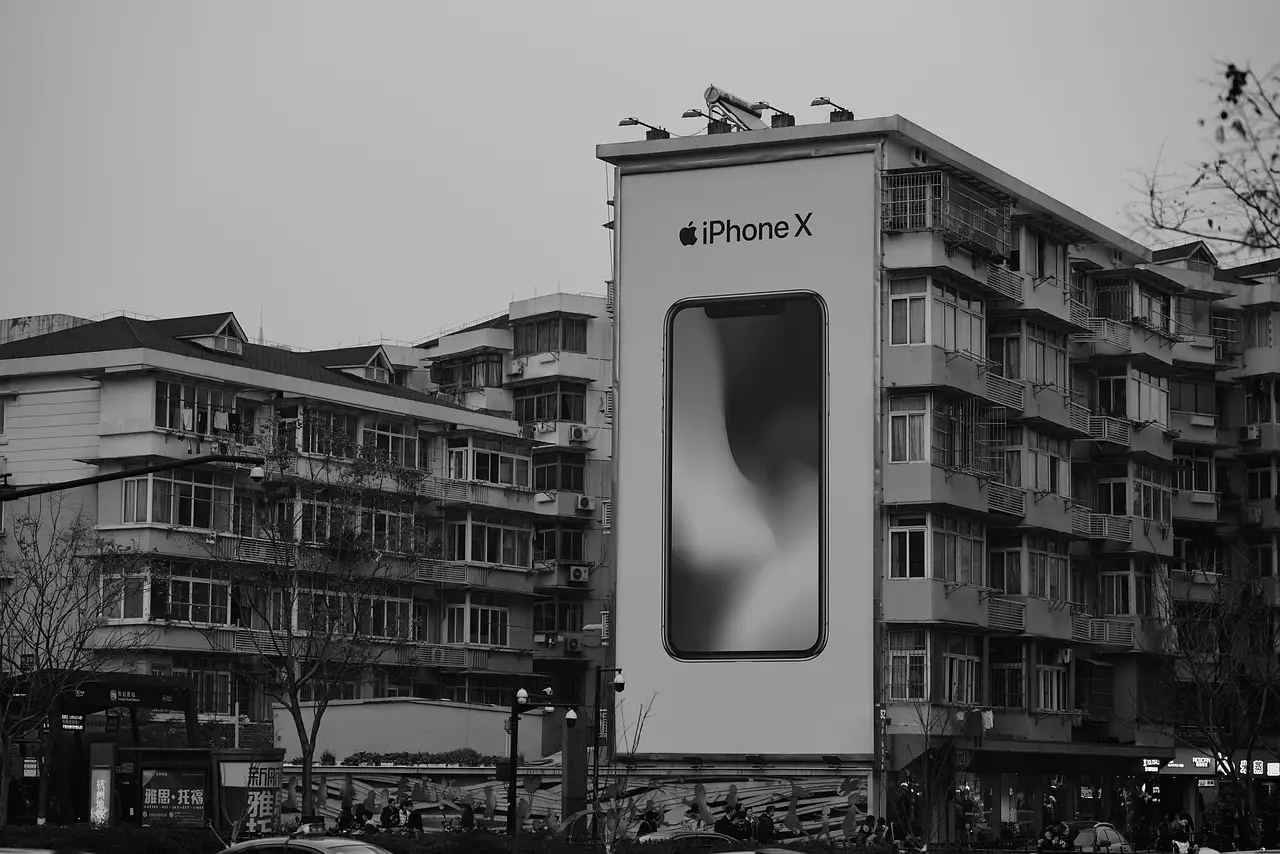
South Korea's antitrust regulator has recommended fining Apple and Apple Korea up to 67 billion won (about $50 million) over iPhone 16 advertising that promoted artificial intelligence features the company never delivered on time. The Korea Fair Trade Commission said on Thursday, Nov. 26, that its examiners sent the recommendation to Apple on Nov. 24, alongside a corrective order and a public-disclosure order. If the full commission imposes a penalty, it would be the first fine the KFTC has ever levied on Apple.
What does the KFTC allege?
The case covers nine features Apple advertised under the Apple Intelligence name on its iPhone 16 website between September 2024 and March 2025. Investigators found that four were not delivered at launch or in the advertised form:
- Genmoji, Apple's custom emoji generator
- Image Playground, its image-creation tool
- Siri's understanding of personal context
- Siri's step-by-step guidance
The examiners allege that Apple violated the Act on Fair Labeling and Advertising by promoting the features without adequately disclosing uncertainty about when they would actually arrive. Korean media described the examiner's report, sent to both Apple and the commission, as the equivalent of an indictment.
In February 2025, Apple said Korean-language support for Apple Intelligence would start in early April 2025. That schedule was not met, according to the KFTC. The regulator said Siri's personal-context feature reached Korean users only in October 2026. The examiners concluded that Apple concealed, minimized or omitted availability information that could have influenced buying decisions, and they classed the conduct as a serious violation.
The takeaway: the case rests on a specific claim that Apple sold phones on the strength of software it knew, or should have known, was not ready for Korean buyers.
How large could the fine be?
The examiners put sales related to the alleged violation at about 3.35 trillion won (about $2.5 billion) — essentially iPhone 16 series revenue in Korea while the ads ran. Reports differ on the ceiling:
- The Seoul Economic Daily said a serious violation carries a rate of 0.8 to 1.6 percent of related sales, implying 26.8 billion to 53.6 billion won.
- The Korea JoongAng Daily also put the maximum at 53.6 billion won.
- The Korea Times reported that the law allows fines of up to 2 percent of related sales, putting the ceiling at 67 billion won.
The recommended sanctions are an order barring similar conduct, an order to publicize the violation, and a fine. A KFTC official said the commission has never fined Apple, so any penalty would be a first.
There is recent precedent for how such cases end. Last month the commission issued Samsung Electronics a corrective order and a provisional surcharge of 20.1 billion won over misleading smartphone and tablet ads — below the up to 66 billion won its own examiner had proposed — after weighing Samsung's own corrective steps.
The takeaway: the number on the table is modest for Apple, but the precedent of a first-ever fine is the real stake for the regulator.
What happens next?
Apple has six weeks from receiving the report to submit written opinions and to request access to or copies of the evidence. The full commission then deliberates and decides whether Apple broke the law and what penalty, if any, to impose. No decision date has been given, and Apple's response did not appear in the Korean coverage.
The case began with a complaint from the civic group Seoul YMCA in March 2025. In the United States, Apple agreed in May 2026 to pay $250 million to settle a class action over its marketing of the delayed Siri features, without admitting wrongdoing.
The commission's final decision, expected within months of Apple's six-week window, will determine whether the first fine lands and at which end of the 53.6-to-67-billion-won range the regulator settles.
mlq.ai (Source)
More from Tom Whitfield
Show full bio
Staff writer covering companies, deals and strategy in Semiconductors, chip manufacturing, hardware, AI compute at Chip Dispatch.
1,304 articles