Fitbit Edge Review: Google's $179.99 Tracker Returns to Simple Roots
Google's $179.99 Fitbit Edge revives the 2014-2020 fitness band with weeklong battery, built-in GPS, and a $10/month AI coach — while cutting payments and calls.
- By
- Grace Kim
- Filed
- Channel
- Consumer Tech
- Read
- 4 min read
The Fitbit Edge costs $179.99 and deliberately strips out contactless payments, calling, and smartwatch ambitions. Google's head of product for Health, Andy Abramson, said the company cut NFC payments because "less than one percent [of Charge 6 owners] used the feature," and instead prioritized a "sleek design, altimeter, and weeklong battery."
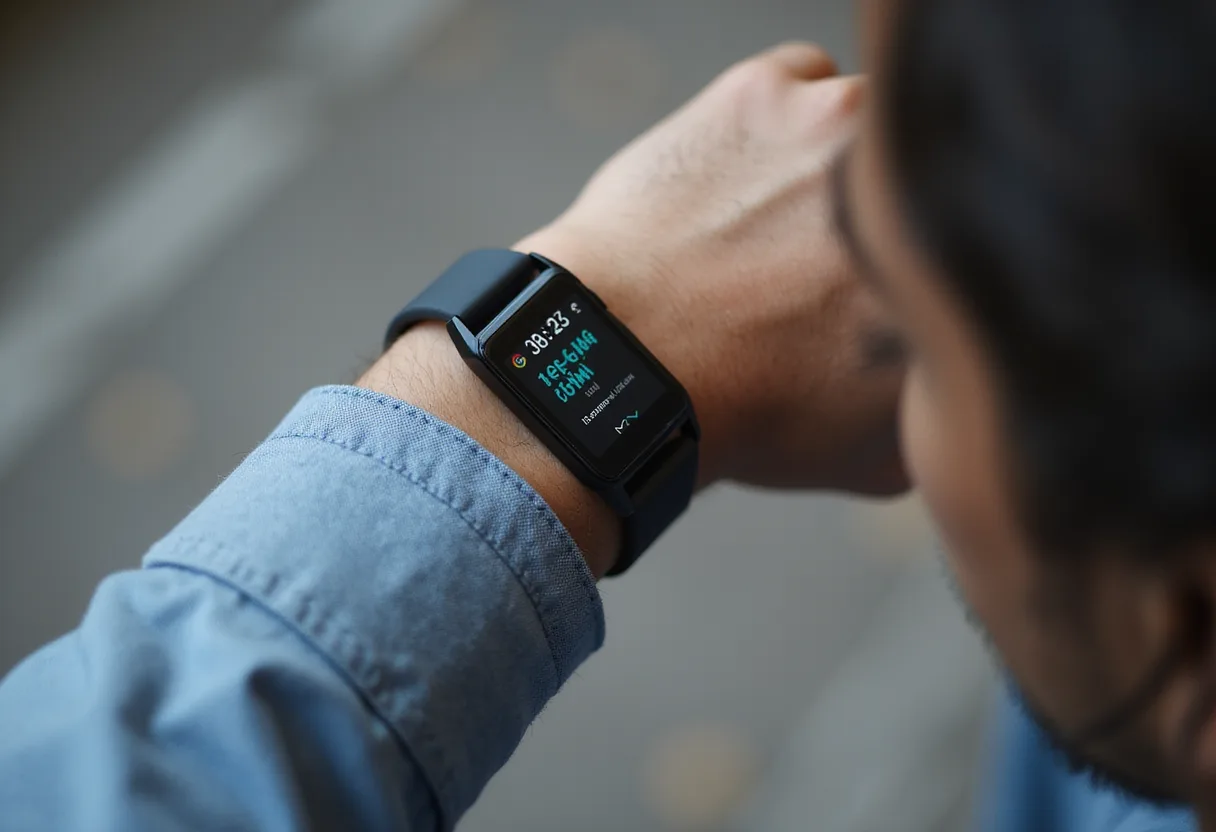
The result is a modernized version of the fitness bands Fitbit sold from 2014 to 2020 — the Charge, Alta, and Inspire lines. It is lightweight, swipe-operated, and lasts about a week per charge. Enabling the always-on display cuts that to roughly a day and a half.
What does the $179.99 buy?
The Edge runs a proprietary Fitbit OS, not Wear OS, and borrows its widget design from the Pixel Watch's Material 3 Expressive redesign. The display is fully rounded where the Fitbit Charge 6 felt boxy, and straps release with a button system rather than fiddly clips.
Strap pricing is steep:
- Metal link bracelet: $150 — nearly the price of the tracker itself
- Magnetic silicone strap mimicking leather: $60
Some new watch faces look elegant. Others draw attention to the Edge's large black bezels.
What works and what does not
The reviewer's assessment breaks down as follows.
Strengths:
- Comfortable and easy to wear
- Weeklong battery life
- Sleeker, softer design than the Charge 6
- Improved automatic activity tracking
- A physical side button
- Works on both iOS and Android
Weaknesses:
- Pricey for a basic tracker
- Alternative straps are expensive
- No contactless payments
- Large bezels that some buyers will dislike
How good is automatic tracking?
Functionally, the Edge sits above the $99 Fitbit Air. Built-in GPS tracks walks and runs without a phone. It handles alarms, notifications, and music control. It has no microphone or speaker, so no wrist calls.
Google has spent recent months improving automatic activity detection. In testing, the reviewer ran without starting an activity and compared the Edge's estimates against an Apple Watch Ultra 4 and the iPhone Runna app.
On a 2.4-mile run with a five-minute warmup and cooldown, the Edge correctly detected the exact transitions from walk to run and back. Distance estimates were close at 2.55 miles. Pace was less accurate: the Edge logged a 10'49" mile against an actual 11'38" measured by the Apple Watch and phone. The pattern held across multiple tests. The feature works best as a way to "get credit" for forgotten workouts, not as a precision tool.
What happened to the Fitbit app?
The Fitbit app is gone. Google Health replaces it, and the change matters commercially: the AI coach requires a subscription. Buyers get three months free; after that it costs $10 monthly or a yearly fee.
The coach still demands weekly interaction and talks too much. The app can feel cluttered, and finding information that used to be simple — such as past workouts — now takes more taps. For newcomers who want an AI-generated routine they can actually follow, the reviewer calls it the best experience so far in a low-bar category. One caution: early disclosures stick. After the reviewer mentioned old shin splints, the coach kept flagging the risk in every subsequent run.
What is still unknown?
The Health Guardian features — noninvasive insulin resistance and blood pressure trend tracking — were not tested. The reviewer's initial results unlock on November 1st.
Where does the Edge sit in the market?
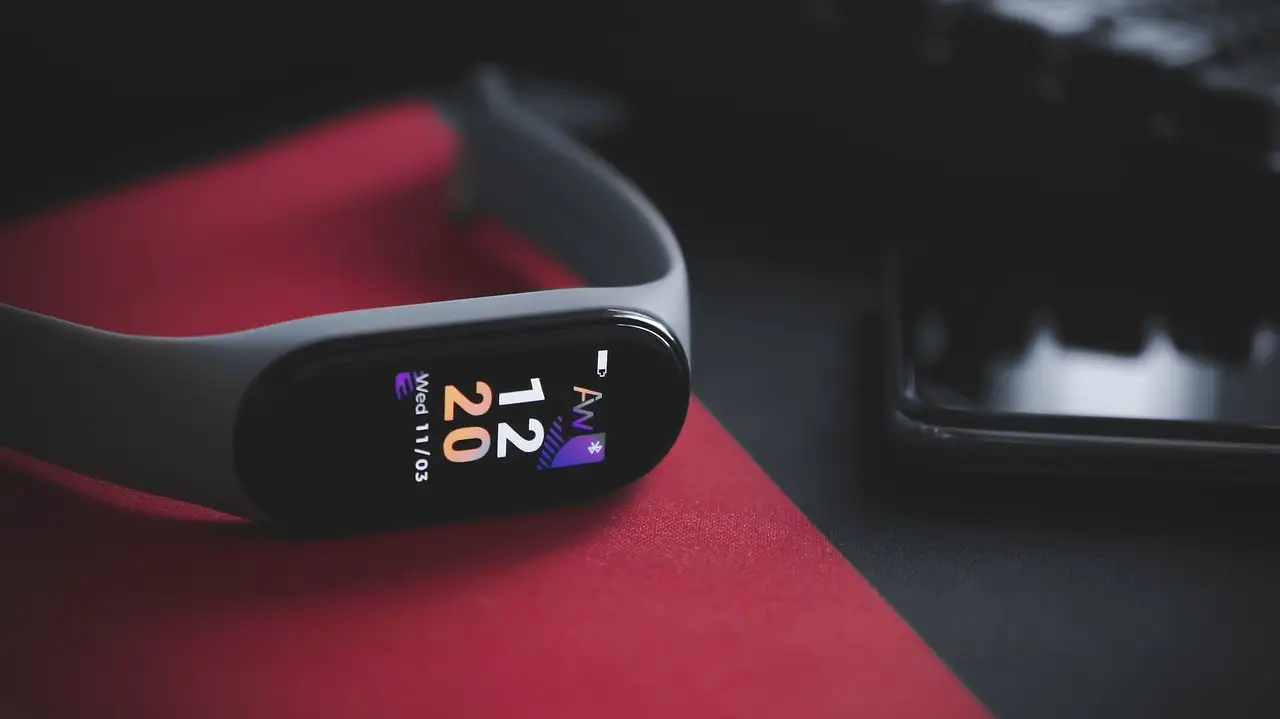
At $179.99, the Edge faces pricing pressure from both directions. The Fitbit Air costs $99. The Apple Watch SE 3 starts at $249 for iPhone users. Xiaomi and Amazfit sell cheaper display-equipped trackers, though less sleek ones.
The reviewer's verdict: the Edge suits buyers who want basic metrics without going screenless, and it signals real demand for simpler trackers as AI health coaches request more invasive data. The reviewer still expects smartwatches to dominate wrists in the years ahead.
How many agreements does setup require?
The Edge must pair with an iPhone or Android phone, inheriting that phone's terms of service and privacy policy. Optional permissions cover location, Bluetooth, camera, background app refresh, notifications, and cellular data. Uploading medical records adds CLEAR's terms, since CLEAR handles identity verification. The final tally: three mandatory agreements plus several optional permissions. Health data used for AI training is off by default, and Google's Fitbit acquisition terms require health data to be stored separately from the targeted advertising business.
Original: amazon.com
More from Grace Kim
Show full bio
Market editor covering people, launches and day-to-day practice in Semiconductors, chip manufacturing, hardware, AI compute at Chip Dispatch.
734 articles
Related articles
google-ships-fitbit-edge-at-179-99-to-bridge-gap-to-pixel-watch-283cb9e3
Google Ships Fitbit Edge at $179.99 to Bridge Gap to Pixel Watch
google-s-fitbit-edge-splits-the-gap-between-pixel-watch-5-and-fitbit-air-939e28c3
Google's Fitbit Edge Splits the Gap Between Pixel Watch 5 and Fitbit Air
google-prices-fitbit-air-at-13-999-in-india-47-above-us-price-b6034f97
Google Prices Fitbit Air at ₹13,999 in India — 47% Above US Price
xreal-aura-launches-wired-android-xr-glasses-for-1-099
Xreal Aura launches wired Android XR glasses for $1,099