The $199 Una Smartwatch Puts Open Source on Your Wrist
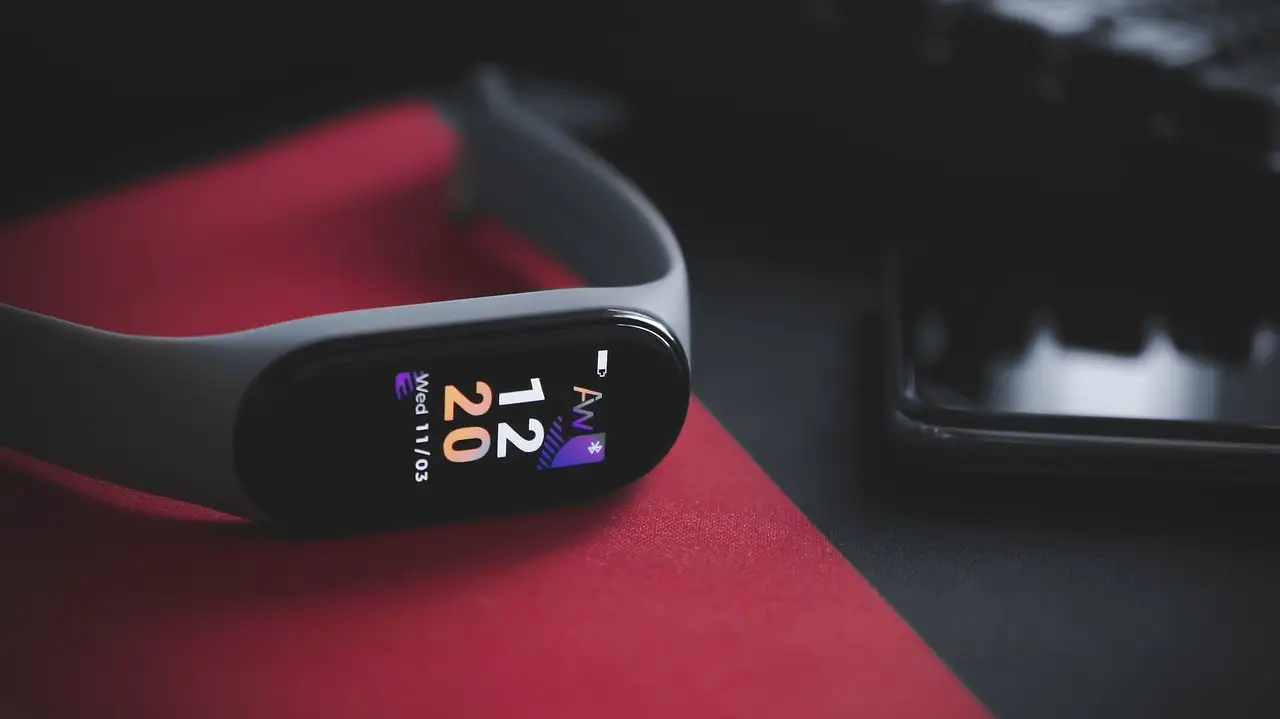
The $199 Una smartwatch ships open source — boards, firmware, C++ SDK and all — with a $40 battery and $50 display users can swap. Andy Turudic says it's the answer to cloud-leashed health data.
- By
- Rebecca Stone
- Filed
- Channel
- Consumer Tech
- Read
- 4 min read
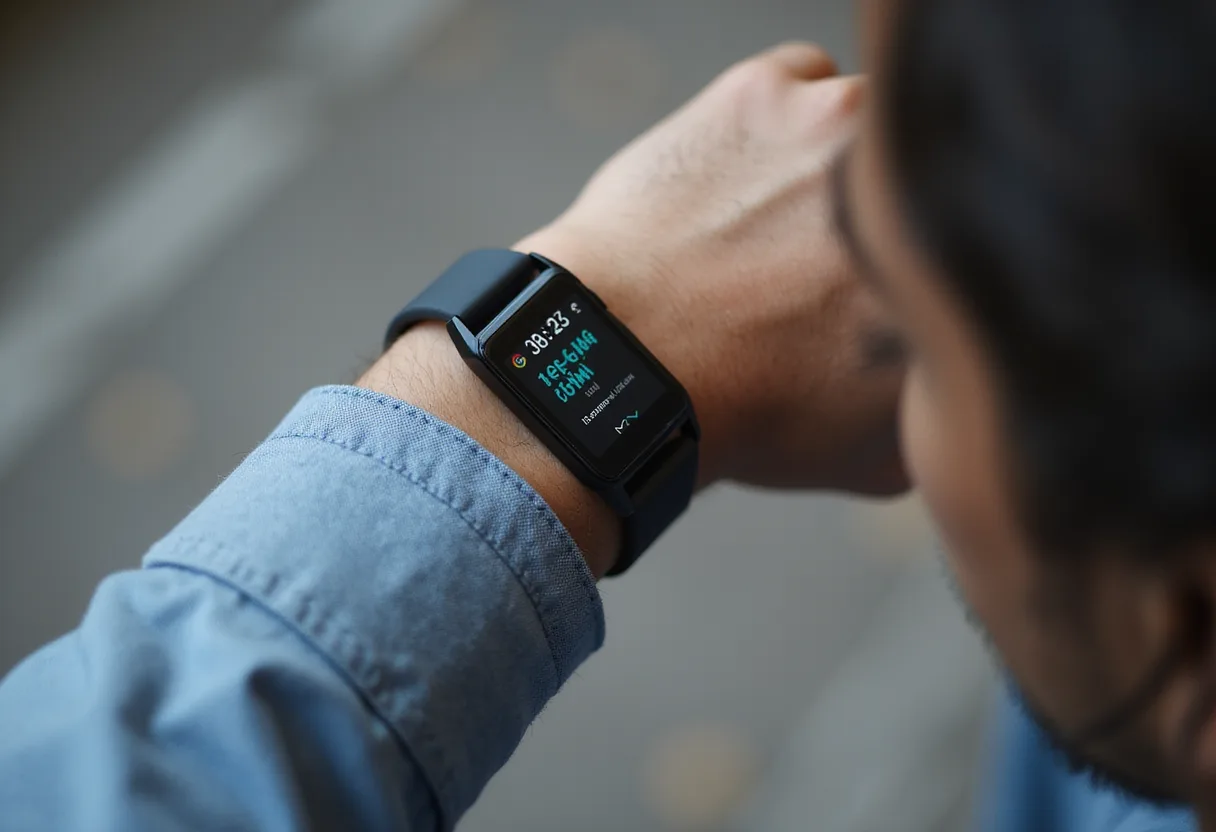
A $199 smartwatch with a $40 replaceable battery and a $50 swappable display is forcing a question the wearable industry has dodged for years: who actually owns the health data on your wrist? Electronic Design's technology editor Andy Turudic argues this week that the Una smartwatch — and open-source hardware generally — is the answer.
What makes the Una different?
Turudic's column traces the story back to a product email that Electronic Design's Bill Wong flagged, which ZDNET then covered. The ZDNET writeup, quoted in the column, put it plainly: "The defining aspect of this watch is its ability to be repaired or upgraded by the user with Torx and/or standard screwdrivers."
The current spare-parts list is short but real. Replacement parts today include the 280 mAh battery at $40 and the MIP display at $50, with other modules possibly becoming available later:
- Una Link 1 — houses all the navigation receivers
- Una Link 2 — carries the Bluetooth radio
- Una Body — holds the heart-rate and other body sensors
- Una Core — contains the processor, storage, and additional sensors
But Turudic's sharpest finding is what ZDNET missed entirely. Everything from the circuit boards through the hardware, firmware, and companion app is open source. Una's website links to SDK documentation with setup guides, API references, and worked examples for building first applications. A public GitHub repository hosts the open SDK, reference apps, and the platform's source code — all apparently written in C++. A hardware directory carries the design files for each module, plus the mechanical pieces, and Una runs a developer forum to back the effort.
Turudic's verdict on ZDNET's omission is blunt: "Yup, everything from the circuit boards through hardware through firmware, through to the companion app, is Open Source (gee, thanks for zero mention of this, ZDNET)."
Why did the author care in the first place?
The column's engine is a personal grudge with commercial substance. Turudic has worn a Fitbit for a few years with no hardware failures or noticeable battery degradation — his only "degradation," as he puts it, was Google acquiring Fitbit and retiring the perfectly functional Fitbit app. Users were forced onto Google's replacement app, which, per Reddit postings in r/fitbit, includes a Gemini-based AI assistant.
His bigger complaint is data governance. Fitbit, he writes, had physical guardrails on user data; Google's wording is, in his view, nebulous, and Gemini gets full access. His response was to keep wearing the Fitbit disconnected from any app — using it only for heart-rate display, unable even to set the correct time — because, as he puts it, "my data is mine." Health data, he notes, is exactly the category that can get people into legal jeopardy, a theme he promises to develop in Part 2 next week.
What's the architectural argument?
The column grounds the privacy complaint in a genuine engineering constraint. Wearables pack heart-rate, respiration, blood-pressure, GPS, accelerometer, gait-analysis, and fall-detection sensors, but processing all that data locally trades away battery life and power dissipation — and even creates what Turudic calls a Heisenberg-style problem for accurate body-temperature measurement. So front-end storage and initial signal processing happen on the watch, then upload over Bluetooth or USB to a phone or laptop, and from there to the cloud for the heavy lifting.
That pipeline, Turudic argues, became a leash. By around 2009, Google, Amazon, and others began clawing compute back into "cloud services" — "a mainframe by any other name," he writes — coincidentally the same era the first Fitbit shipped. The cloud put users on an app leash, he argues, and let companies package supposedly de-identified data for other purposes, including sale to third parties and, possibly, governments. Fitbit charges no monthly fee, so the business model, in his framing, is to exploit the data.
He also takes aim at the industry's centralizing instinct, invoking Sam Altman's recent words: "From a global allocation perspective, actually, it's quite terrible to have everybody have a bunch of the world's limited supply of DRAM sitting in their own computer and being used 5% of the time." Turudic calls it "Opposite Day for Altman" — and points back to 1999, when Berkeley's seti@home beta proved distributed compute worked, crunching radio-telescope data on volunteers' idle PCs. He notes that modern phones clock at five times the 242.8-MHz rate of a Cray-2 supercomputer.
Where does this leave the wearable market?
Turudic concedes he doesn't personally need modular replaceability — guessing which module to buy and swap is its own friction — and that the Una looked "rather lame" at first glance. The open-source stack is what changed his mind, because it lets users sever the cloud connection entirely and keeps unfettered commercial and AI access to personal data in check.
The stakes, he writes, run from canceled life-insurance policies to, in extreme cases, a Fitbit wearer landing in prison — with government agencies potentially seeking access without court authority, and antitrust immunity now gone under a new Congress. Whether a $199 open-source watch can actually shift a data-driven business model that Google, Amazon, and the AI buildout depend on is the question Part 2, promised next week, will have to answer.
Original: unawatch.com
More from Rebecca Stone
Show full bio
Correspondent covering technology and product news in Semiconductors, chip manufacturing, hardware, AI compute at Chip Dispatch.
703 articles
Related articles
google-s-fitbit-edge-splits-the-gap-between-pixel-watch-5-and-fitbit-air-939e28c3
Google's Fitbit Edge Splits the Gap Between Pixel Watch 5 and Fitbit Air
fitbit-edge-review-google-s-179-99-tracker-returns-to-simple-roots
Fitbit Edge Review: Google's $179.99 Tracker Returns to Simple Roots
google-prices-fitbit-air-at-13-999-in-india-47-above-us-price-b6034f97
Google Prices Fitbit Air at ₹13,999 in India — 47% Above US Price
google-ships-fitbit-edge-at-179-99-to-bridge-gap-to-pixel-watch-283cb9e3
Google Ships Fitbit Edge at $179.99 to Bridge Gap to Pixel Watch